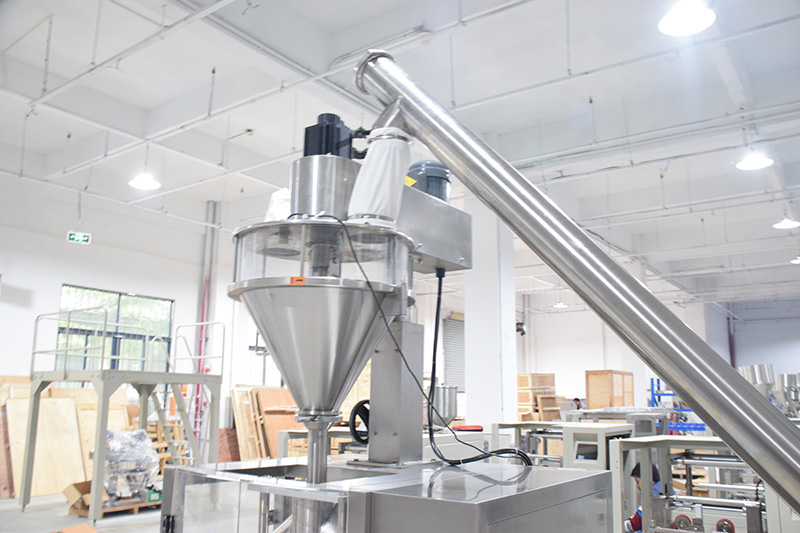
In the modern manufacturing landscape, single-serve formats dominate consumer preference. From instant coffee on the go to single-dose supplements and spices, compact packaging offers great convenience and freshness. At the heart of this shift is modern powder sachet packaging. It combines high-speed output with precise portion control. Investing in a dedicated powder packaging machine allows manufacturers to maintain product integrity, eliminate dust contamination, and meet stringent hygiene standards.
Why Powder Sachet Packaging Matters
Packaging fine powders presents unique engineering challenges. Unlike liquid or liquid-bound goods, powders tend to dust, clump, create static, or vary in bulk density. An unoptimized system leads to inaccurate fill weights, poor seal integrity, and product waste.
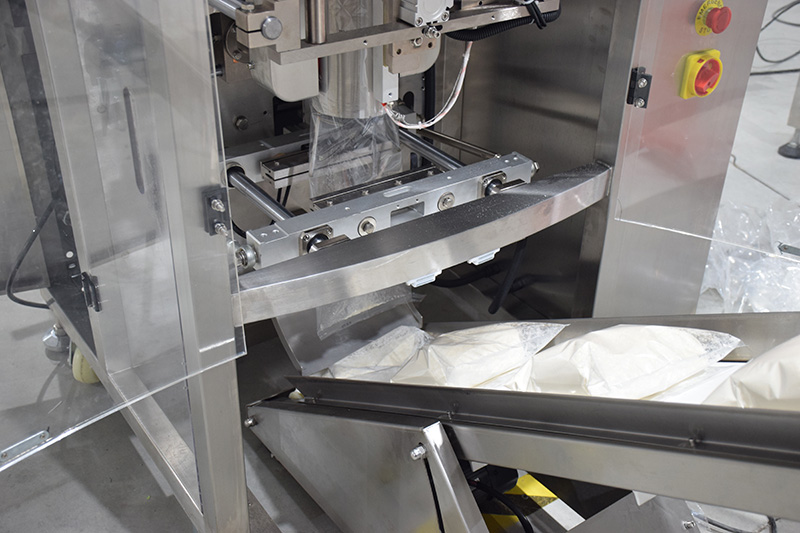
Modern powder sachet filling machine solutions overcome these challenges using precision dosing systems—most commonly auger fillers. By using servo-driven screws, these units dispense exact amounts into flexible film structures. This ensures consistent weight distribution across thousands of cycles.
Beyond accuracy, moving to automated small-format packaging provides:
Extended Shelf Life: Hermetic heat-sealing creates barrier protection against oxygen, light, and humidity.
Cost Efficiency: Automated dosing minimizes giveaway of high-value raw materials.
Portability & Hygiene: Unit-dose formats offer single-use convenience without requiring measuring tools.
Key Factors When Choosing a Powder Sachet Packaging Machine
For B2B procurement managers and plant engineers, selecting the right equipment requires evaluating how machine specs align with operational requirements and material properties:
1. Powder Characteristics
Different powders exhibit unique behavior during dosing and sealing, requiring specialized mechanical configurations:
Fine Powder: Generates heavy dust clouds during filling. Requires dust extraction systems and tight sealing-jaw enclosures to prevent seal contamination.
Sticky Powder: Tends to cling to hopper walls and forming tubes. Requires anti-stick coatings, continuous mechanical agitation, or vibration mechanisms to maintain flow.
Hygroscopic Powder: Absorbs ambient moisture rapidly, causing clumping and clogging. Demands air-tight sealed hoppers and integrated nitrogen flushing/dry air purging.
2. Production Speed & Output Needs
Selecting between single-lane VFFS machines (30–60 sachets/min) and high-speed multi-lane systems (300–1000+ sachets/min) depends on your daily throughput targets and capital expenditure budget.
3. Filling Accuracy & Waste Control
Dosing accuracy directly impacts material giveaway costs. Servo-driven auger fillers use live feedback from downstream checkweighers. This keeps weight variation within strict limits (±1%).
4. Cleaning & Maintenance Requirements
For food and pharmaceutical operations, frequent product changeovers require rapid cleaning. Look for toolless dismantling of dosing screws, quick-release hoppers, and IP65/IP67 washdown-ready stainless steel construction to minimize downtime.
Common Challenges in Powder Sachet Packaging (Factory Floor Solutions)
Operating a high-speed powder packaging line comes with real-world technical obstacles. Understanding how machinery resolves these issues is key to selecting the right setup:
1. Powder Dust Contamination in Sealing Area
Problem: Fine particles can become airborne during dosing. They may settle on the inner film sealing area. This can cause weak seals or micro-leaks.
Solution: Integrated dust suction hoods remove airborne particles right at the filling nozzle before thermal sealing occurs.
2. Filling Accuracy Variation
Problem: Bulk density changes across raw material batches alter the volumetric weight of each dose.
Solution: A servo auger filler dynamically adjusts screw rotation based on real-time target weight feedback from downstream checkweighers.
3. Film Static & Material Bridging
Problem: Static electricity makes fine powder stick to the forming tube, while sticky powders cause bridging in the hopper.
Solution: Anti-static elimination bars combined with mechanical hopper agitators ensure a smooth, continuous material flow.
Common Sachet & Pouch Styles & Machine Selection
Selecting the correct pouch format is essential for both aesthetic appeal and production efficiency. A versatile powder packaging machine can be customized for many powder types, including fine, sticky, and moisture-sensitive powders.
Package Style
|
Style Characteristics
|
Recommended Machine Type
|
3 Side Seal Pouch
|
Features seals along three edges with one folded side.
Maximizes printable branding area
|
Vertical Form-Fill-Seal (VFFS) Sachet Machine (Single or Multi-Lane)
|
4 Side Seal Pouch
|
Seals all four borders,
offering maximum structural strength and airtight barrier performance
|
Multi-Lane 4-Side Seal Powder Packaging Machine
|
Back Seal Pouches
|
Longitudinal fin seal along the rear (pillow pouch).
Allows full edge-to-edge front panel artwork.
|
Standard Vertical Pillow-Bag Packaging Machine with Auger Filler
|
Stick Pack Packaging
|
Narrow, elongated format using less film.
Ideal for pouring directly into bottle necks.
|
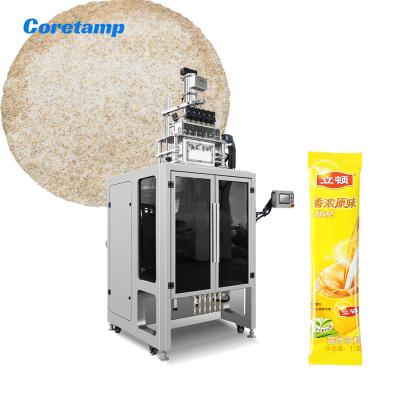
Multi-Lane Stick Pack Packaging Machine
|
Industry Applications: From Coffee to Pharmaceuticals
Different powders demand tailored machine configurations to maintain hygienic standards and output rate:
Dairy & Nutritional Powders
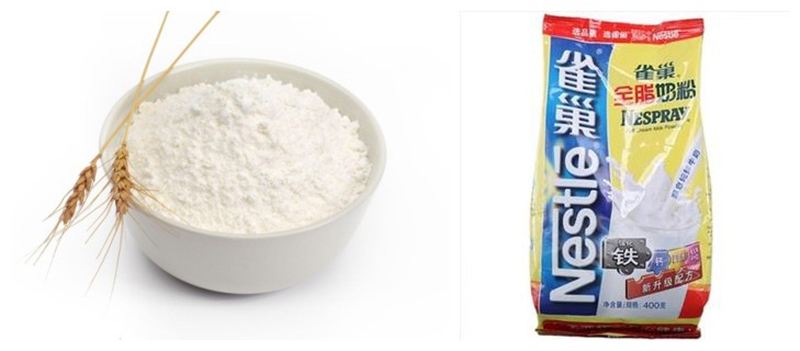
Sensitive ingredients like infant formula demand high-hygiene construction. Specialized milk powder sachet packaging machines use dust-extraction systems, gas flushing, and stainless-steel contact parts. These features help meet sanitary standards and extend shelf life. Nitrogen injection reduces residual oxygen.
Instant Beverages
Instant coffee powders require fast processing speeds without degrading aroma or flavor profile. Utilizing a high-capacity coffee powder packing machine ensures rapid output while keeping ambient moisture out, protecting product solubility.
Culinary Spices & Seasonings
Spices present oiling and friction challenges during packaging. A dedicated spice powder packing machine uses strong augers and special film handling. It manages sticky or fine spice blends without clogging or seal contamination.
Frequently Asked Questions (FAQ)
Q: What powders can be packaged in sachets?
A: Sachet packaging works for many products. These include milk powder, coffee powder, spice powder, supplements, drug powders, and chemical reagents. Engineers tailor machines based on whether the powder is fine, sticky, or hygroscopic.
Q: What filling system is used for powder sachet packaging?
A: The standard and most reliable dosing mechanism is an auger filler (servo-driven screw conveyor). It provides high dosing accuracy, minimal dust generation, and seamless integration with vertical sachet forming machines.
Q: What is the difference between a sachet and stick pack packaging?
A: A traditional sachet (3-side or 4-side seal) is wider and more square or rectangular. It offers more space for branding. Stick pack packaging is narrow and long. It uses up to 30% less material. It also makes pouring into small container openings easier for consumers.


 No. 12 South Chuangye Road, Zhaoda Pioneer Park, Shishan Town, Nanhai District, Foshan City, GD, China


 português



 máquina de embalagem vertical
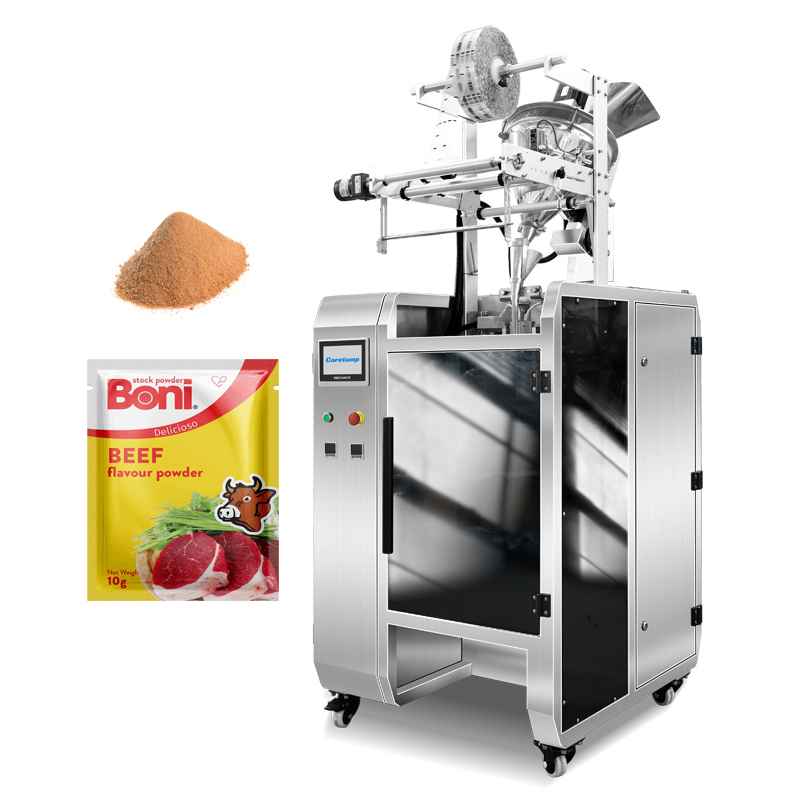 Powder Packaging Machine
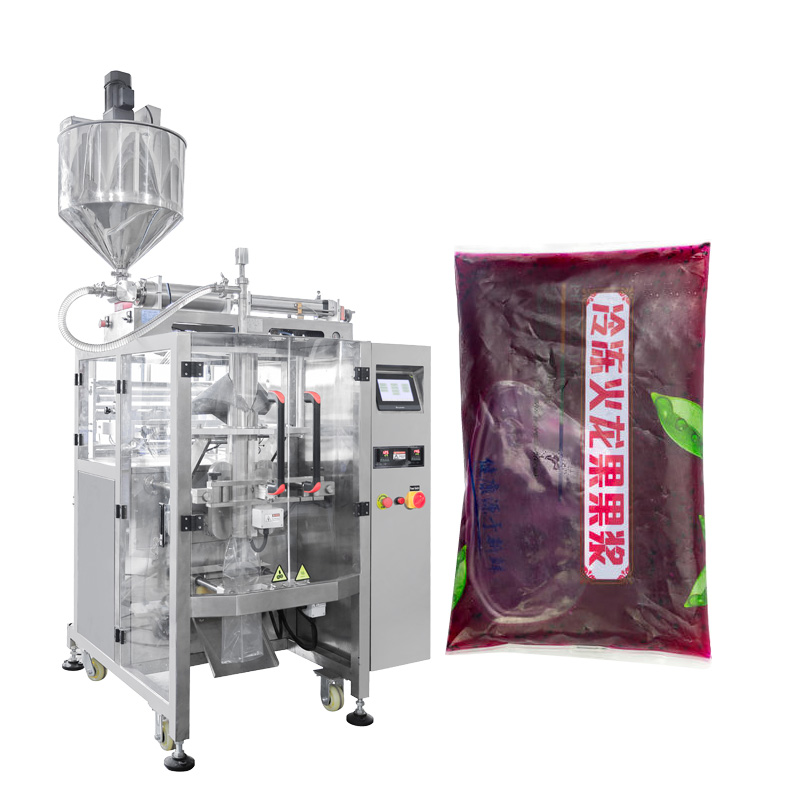 Liquid Packaging Machine
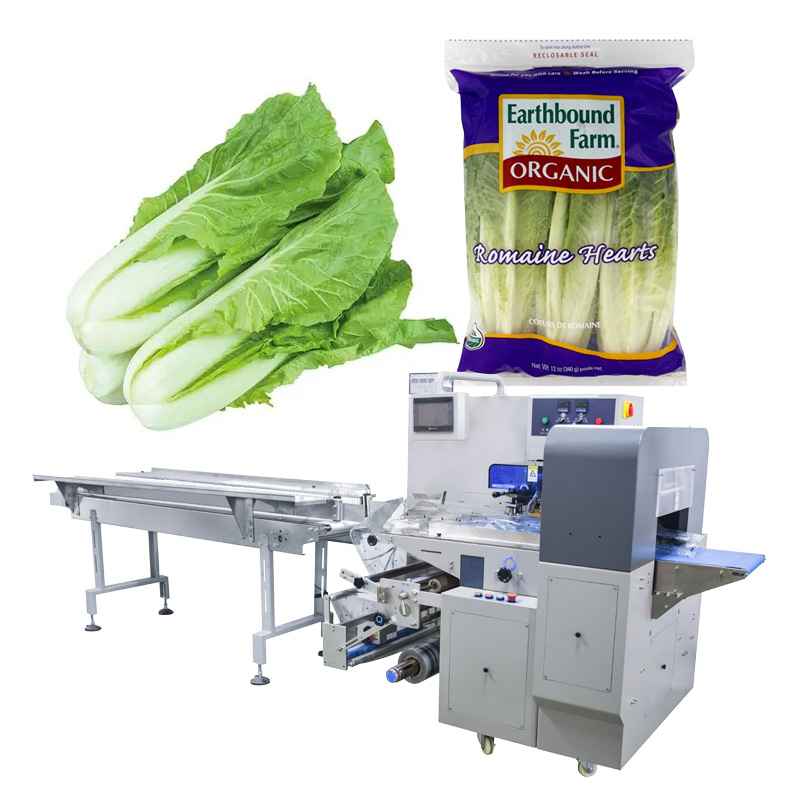 máquina de embalagem do pacote de fluxo
 Premade Pouch Packaging Machine
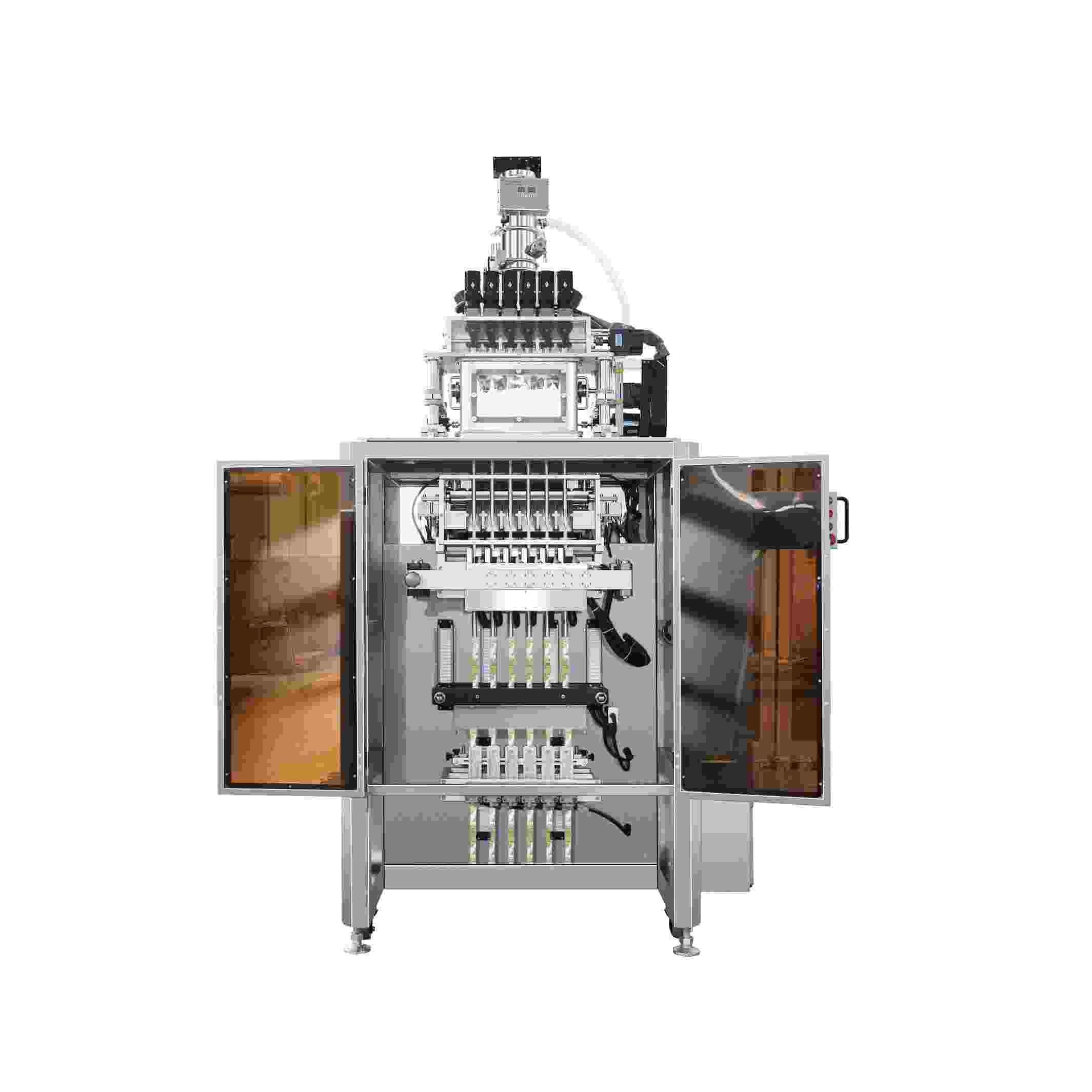 Multi-faixa maquina de embalagem
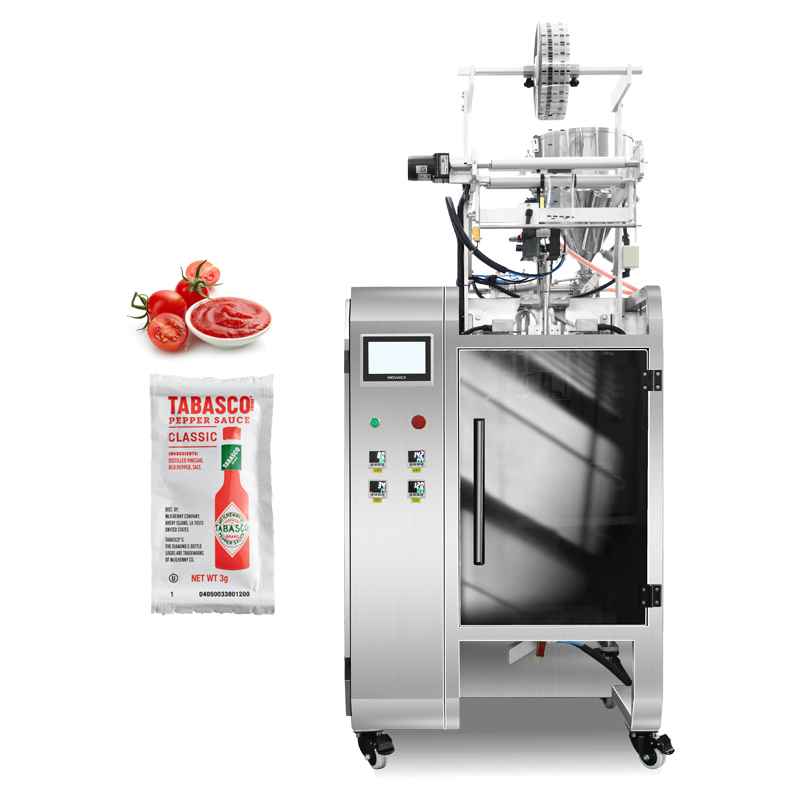 Sachet Packaging Machine
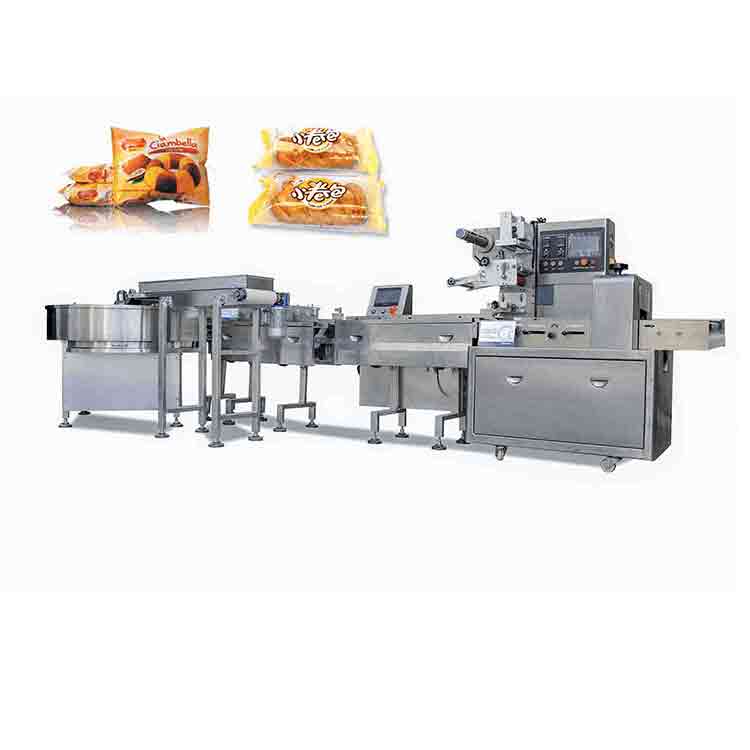 linha de embalagem automática

